
Day 23 - Incident Response Steps
Cyber incidents can happen without warning. Whether it is malware, account compromise, phishing, or unauthorized access, the first few minutes of response are critical. A fast and structured respo...
Cyber incidents can happen without warning. Whether it is malware, account compromise, phishing, or unauthorized access, the first few minutes of response are critical. A fast and structured respo...
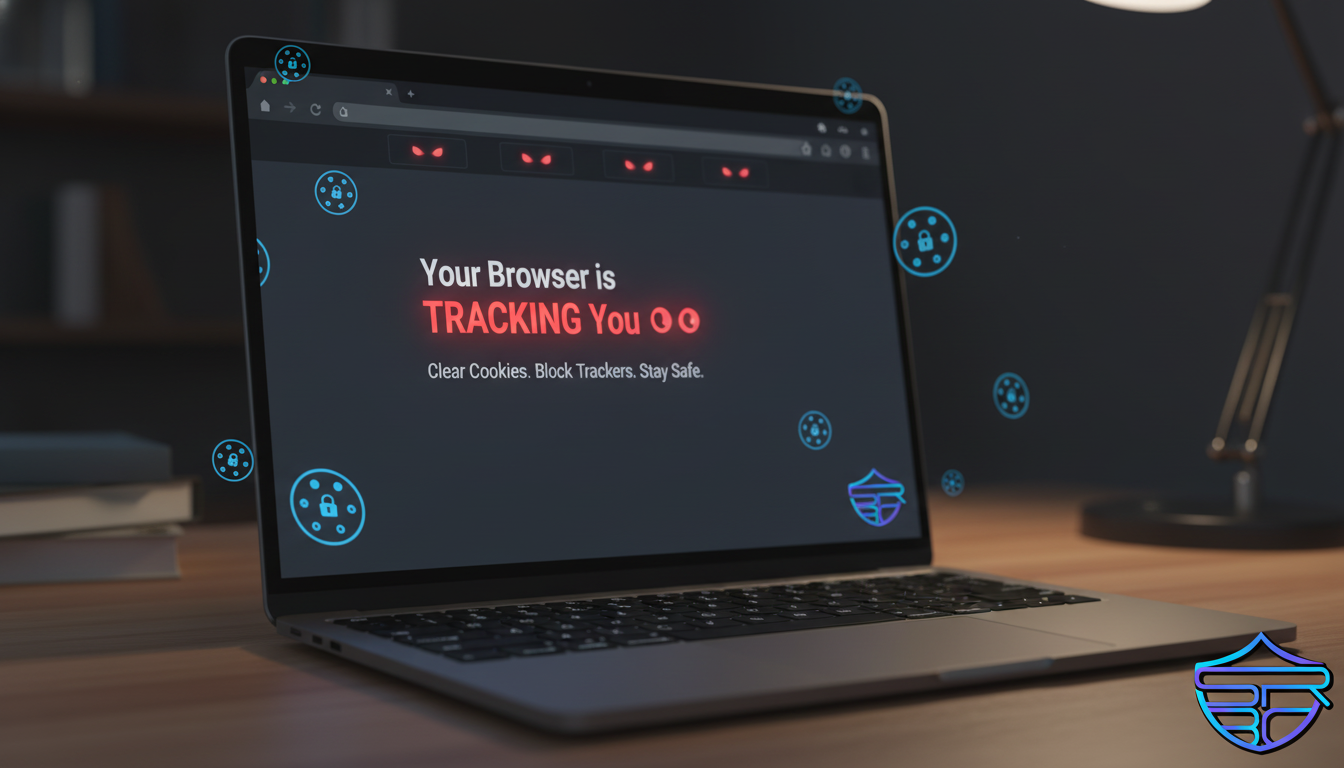
🚨 Your Browser Is Watching You Your browser stores more data about you than you think. Every website you visit leaves traces through cookies, trackers, and scripts. While some are useful, many ar...

📱 Protect Your Phone Your phone is more than a device. It holds your personal, financial, and digital identity. ⚠️ Why It Matters Your phone contains: Emails Social media Banking apps ...

Ransomware is one of the most destructive cyber threats affecting individuals, businesses, and institutions worldwide. It can encrypt files, disrupt operations, and demand payment in exchange for r...

🔐 Encryption Basics — Protect Your Data Before Attackers See It Encryption is one of the strongest foundations of cybersecurity. It transforms readable data into coded information that only author...

🔐 Cyber Hygiene for Your Business Cybersecurity is no longer optional. One weak point can expose your entire business. ⚠️ What is Cyber Hygiene? Cyber hygiene means maintaining simple, consis...
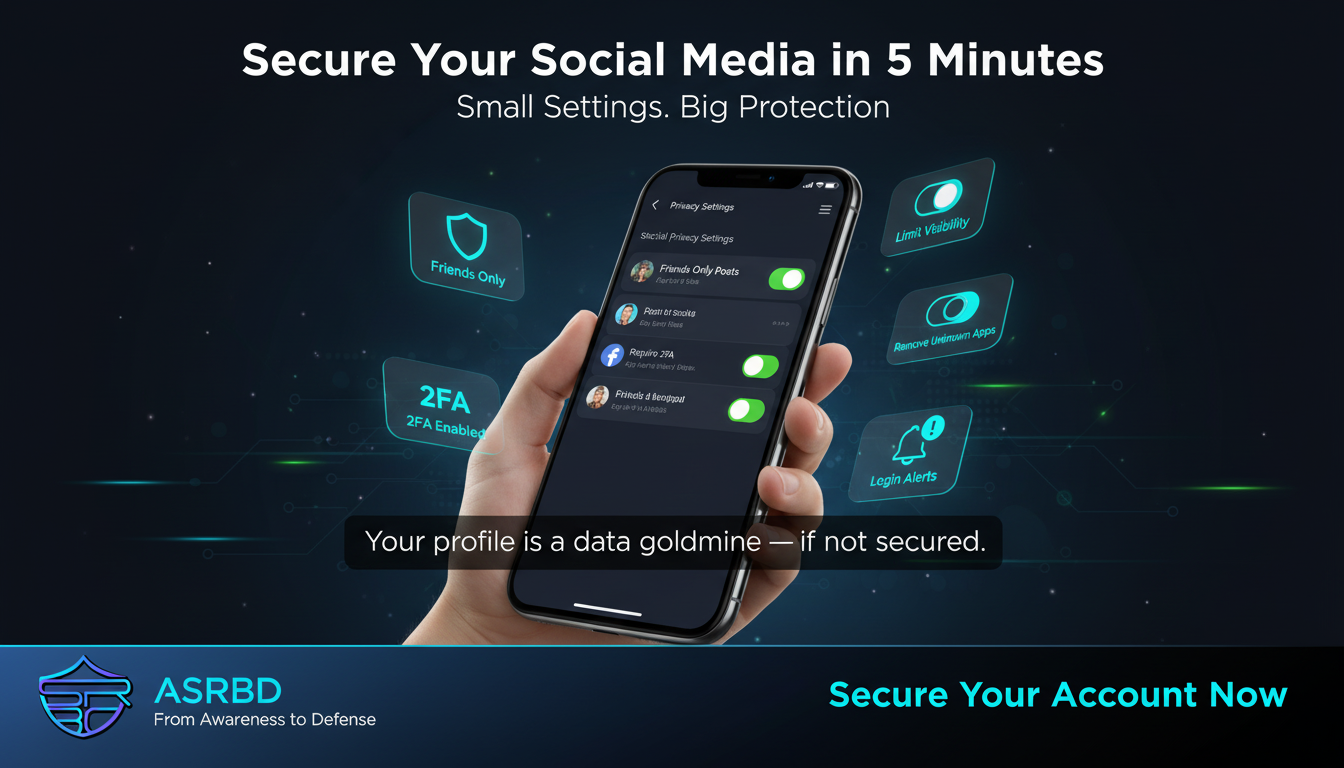
🔐 Secure Social Media in 5 Minutes You use social media every day. But is it secure? Platforms like Facebook, Instagram, and others store your: Personal data Conversations Photos Busine...

Social engineering is one of the most dangerous cyberattack methods because it targets people instead of systems. Attackers manipulate human psychology using fear, urgency, trust, curiosity, or re...
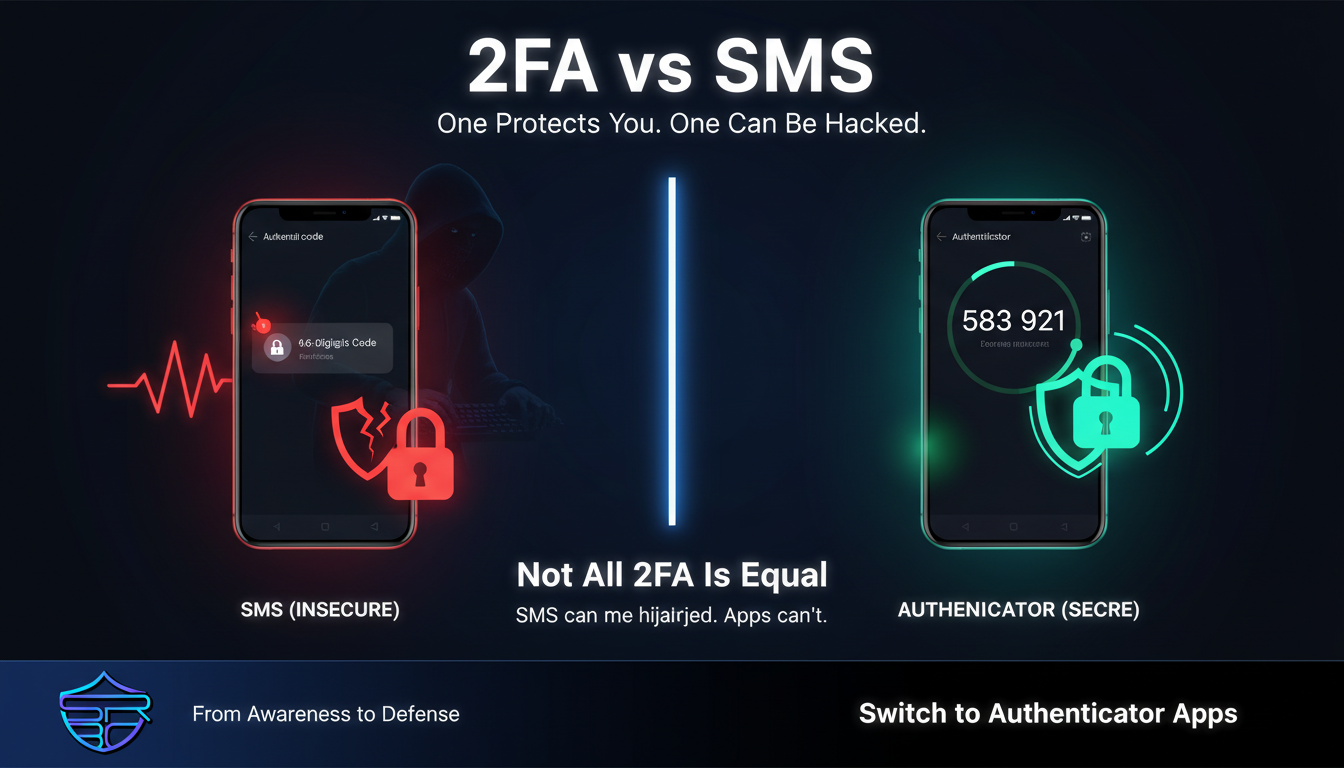
🔐 2FA vs SMS: Use Authenticator Apps Instead You enabled Two-Factor Authentication (2FA). That’s a great step. But if you’re still using SMS codes, your accounts may not be as secure as you think...
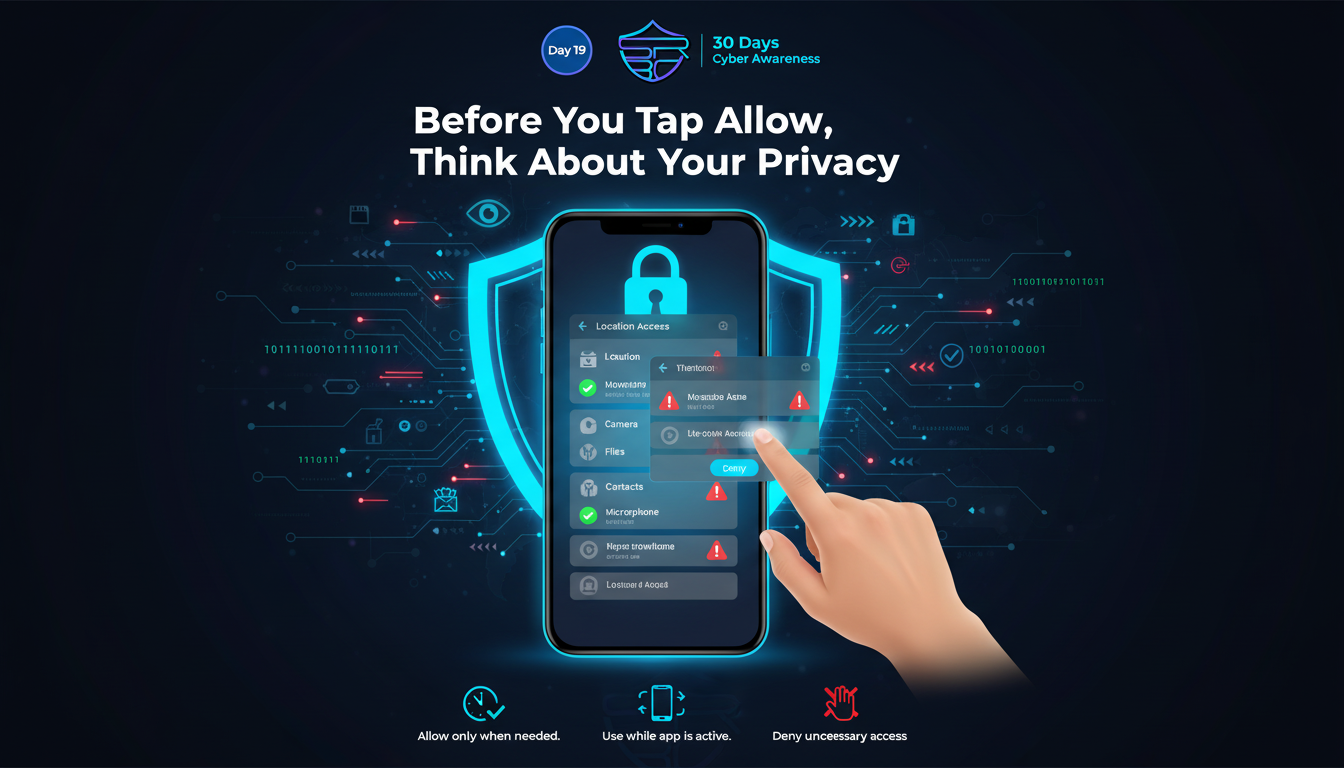
Data privacy starts with one simple habit: checking what your apps can access. Many mobile and desktop apps request permissions for camera, microphone, contacts, location, storage, SMS, and files....