SIM Swap Attacks: Don’t Let Hackers Steal Your Phone Number
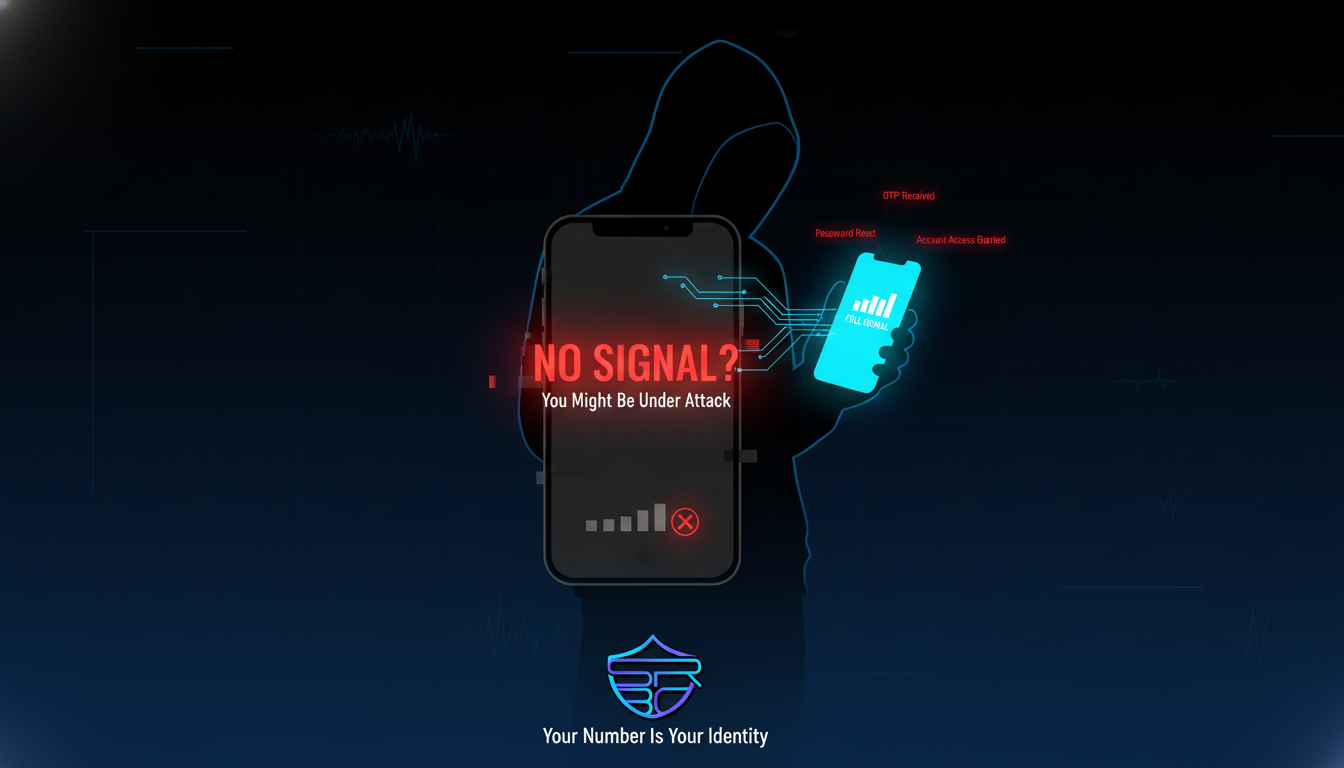
SIM Swap Attacks: Don’t Let Hackers Steal Your Phone Number
You trust your phone number.
It’s connected to:
- Your bank
- Your email
- Your social media
But what if someone else takes control of it?
👉 That’s called a SIM Swap Attack.
💀 What Is a SIM Swap?
A SIM swap attack happens when a hacker convinces your mobile carrier to:
👉 Transfer your phone number to their SIM card.
Once that happens:
- Your phone loses signal
- Their device receives your calls and SMS
👉 Including your OTPs.
🎯 Why This Is Dangerous
Many online accounts rely on SMS-based verification.
If attackers control your number…
👉 They can reset your passwords and bypass security systems.
💀 A Real Scenario
You suddenly lose network signal.
No calls. No messages.
At the same time:
- Your email password is reset
- Your social accounts get locked
- Your bank account is accessed
👉 And you don’t even realize what’s happening.
🕵️♂️ How Hackers Do It
They don’t hack your device.
They use social engineering.
They collect your personal information and contact your mobile provider pretending to be you.
👉 If they succeed, your number is transferred.
⚠️ Warning Signs
- Sudden loss of network signal
- Unable to send or receive calls/SMS
- Unexpected account activity
- Password reset notifications
👉 Never ignore these signs.
🛡️ How to Protect Yourself
You can reduce your risk with simple steps:
- Use app-based authentication instead of SMS
- Set a PIN or password with your mobile carrier
- Avoid sharing personal information publicly
- Contact your provider immediately if signal is lost
👉 Your phone number is part of your digital identity. Protect it.
🚀 Final Thought
Hackers don’t always need your password.
👉 Sometimes, they just take your number…
And everything connected to it.
🔐 About ASRBD
ASRBD (Advanced Security Researchers Bangladesh) is dedicated to raising cybersecurity awareness and helping individuals defend against real-world cyber threats.
📢 Next Topic
👉 Fake Websites & Domains: How Scammers Trick You