Day 24 - Family & Child Online Safety
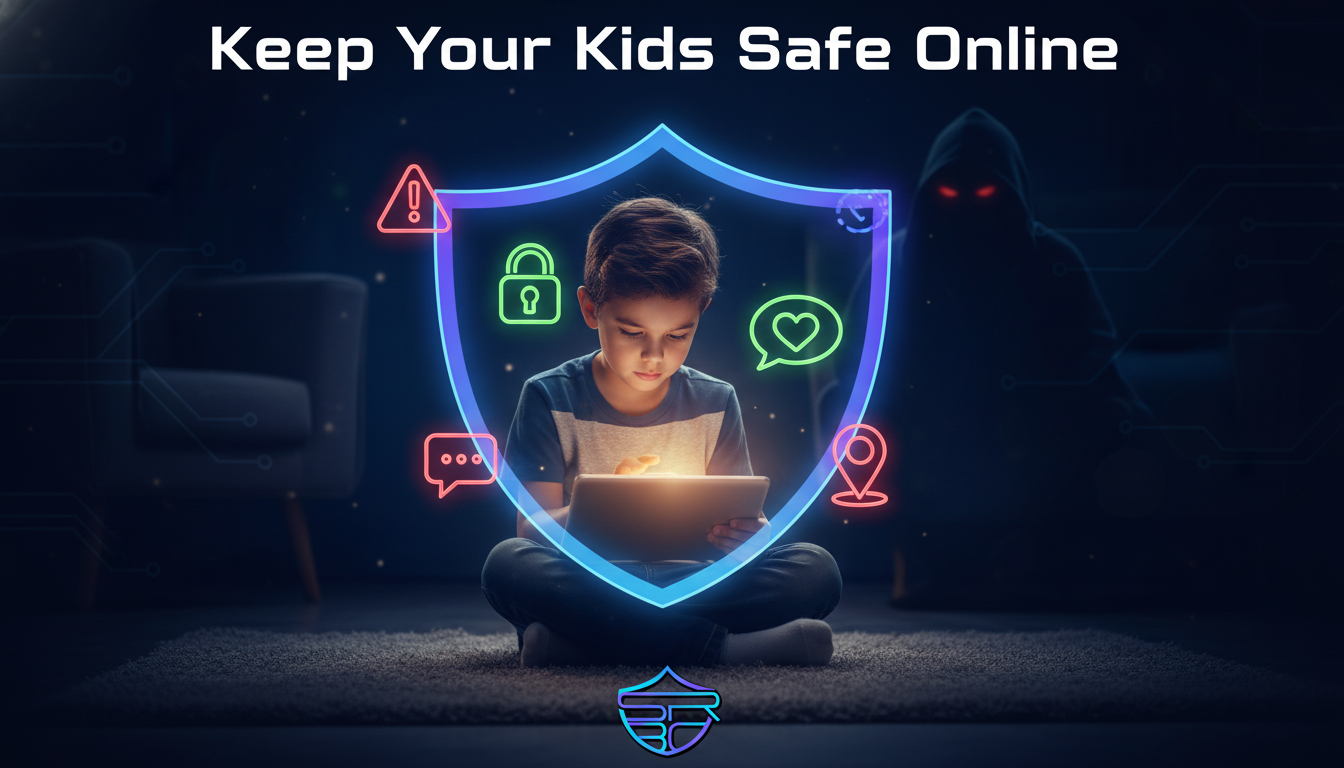
Day 24 - Family & Child Online Safety
👨👩👧👦 Family & Child Online Safety
Children are growing up in a digital world where the internet is part of daily life. While it offers learning and entertainment, it also introduces serious risks if not managed properly.
Ensuring online safety for children is not just about restrictions — it’s about awareness, guidance, and trust.
🚨 Common Online Risks for Children
- Sharing personal information unknowingly
- Exposure to harmful or inappropriate content
- Cyberbullying and online harassment
- Interaction with fake profiles or online predators
🛡️ How to Protect Your Children Online
1. Educate and Communicate
Talk regularly about online safety. Teach children what is safe and what is not.
2. Limit Personal Information Sharing
Ensure they never share:
- Address
- School name
- Phone number
- Passwords
3. Enable Parental Controls
Use built-in tools on:
- Smartphones
- Tablets
- Browsers
- Streaming platforms
4. Monitor Online Activity
- Know which apps and websites they use
- Keep devices in common areas
- Review privacy settings together
5. Use Safe Platforms
Encourage child-friendly apps and content with proper moderation.
🎯 Pro Tip
Instead of strict control, focus on building trust and awareness so children feel comfortable reporting problems.
✅ Key Takeaways
- Children are vulnerable to online threats
- Awareness is the strongest protection
- Open communication builds trust
- Parental controls add an extra layer of safety
Take 10 minutes today to:
- Review your child’s device settings
- Enable parental controls
- Talk about online safety
Stay safe. Stay aware.
— ASRBD (Advanced Security Researchers Bangladesh)
This post is licensed under
CC BY 4.0
by the author.